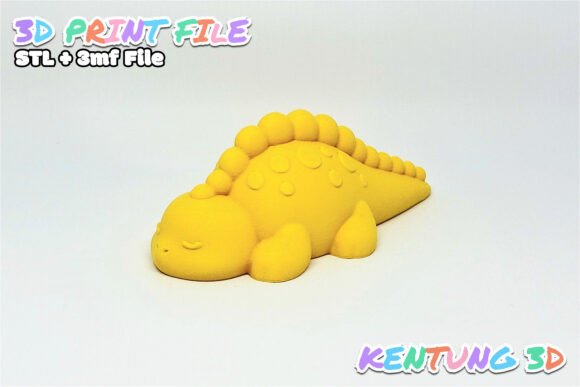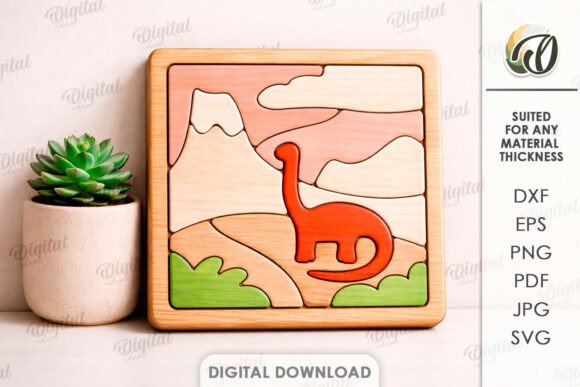
Dinosaur Hatching 3D Model for Print
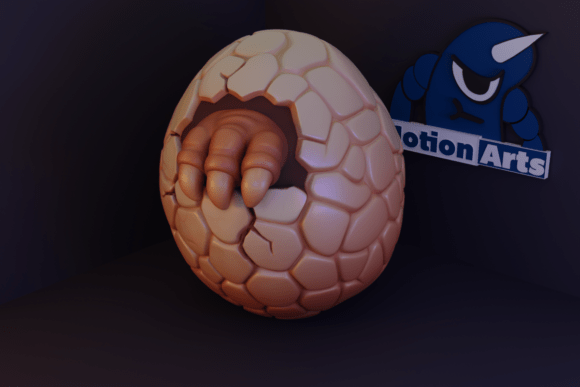
In the evolving landscape of visual communication, the integration of tangible, three-dimensional assets into digital strategies offers a unique competitive edge. The Dinosaur Hatching out of the Egg 3D Model for 3D Printing represents more than just a novelty item; it is a versatile creative asset that bridges the gap between physical charm and modern graphic design applications. For designers and marketers seeking to inject personality and narrative depth into their projects, this stylized hatchling provides a perfect blend of whimsy and structural integrity.
From a professional design perspective, the value of such a model lies in its adaptability. The rounded volumes and stable structure are not merely aesthetic choices but functional elements that ensure high-quality reproduction. This reliability allows creative professionals to incorporate the asset into diverse workflows without worrying about technical failures. Whether used as a centerpiece for a photography shoot or digitized for UI elements, the model's clean lines support a wide range of visual hierarchies.
Elevating Brand Identity with Physical Assets
Brand identity thrives on consistency and memorability. Incorporating a distinct character like a hatching dinosaur can humanize a brand, making it more approachable to younger demographics or families. When utilized in packaging design, this 3D element can serve as a limited-edition collectible or a tactile unboxing experience that enhances customer loyalty. The act of holding a physical representation of a brand's mascot creates an emotional connection that flat graphics alone often struggle to achieve.
Furthermore, the model's "beginner-friendly" nature means it can be produced in-house by marketing teams, reducing reliance on external manufacturers for small-batch promotional items. This agility supports rapid digital marketing campaigns where speed and uniqueness are paramount. By controlling the production of these assets, businesses can maintain strict quality control over color palettes and finishes, ensuring alignment with their overall brand guidelines.
Practical Applications Across Design Disciplines
The utility of this 3D model extends far beyond simple decoration. Its expressive pose and broken shell motif tell a story of birth and curiosity, themes that resonate deeply in educational and creative contexts. Designers can leverage this narrative in various mediums:
- Social Media Graphics: Use high-resolution renders of the model to create engaging posts that stand out in crowded feeds, offering a break from standard stock photography.
- Editorial Design: Integrate images of the printed model into magazines or brochures to add texture and depth to layout compositions.
- Web and UI Design: Digitize the model to create unique icons, loading animations, or interactive 3D elements that improve user experience (UX) through playful engagement.
- Presentation Decks: Replace generic clip art with custom photography of the physical print to demonstrate innovation and attention to detail in client pitches.
- Merchandise Development: Scale the design for keychains, desk ornaments, or educational kits, expanding revenue streams through tangible products.
Optimizing Visual Impact and Workflow
When selecting creative assets for professional use, factors such as scalability and visual clarity are critical. The Dinosaur Hatching out of the Egg design excels here due to its simplified geometry. In logo design or iconography, complex details often get lost when scaled down; however, the well-integrated volumes of this model ensure it remains recognizable even at smaller sizes. This makes it an excellent candidate for responsive design systems where assets must perform across mobile screens and large-format prints alike.
Color also plays a pivotal role in how this asset is perceived. While the raw print offers a neutral base, designers can experiment with various painting techniques or material finishes to match specific design trends. A matte finish might convey a modern, sophisticated aesthetic suitable for tech startups, while vibrant, glossy colors could appeal to children's entertainment brands. This flexibility allows the asset to evolve alongside changing market preferences without requiring a complete redesign.
Ultimately, the decision to incorporate a 3D printed element into a broader design strategy should be driven by the goal of enhancing communication. Quality creative assets do more than fill space; they tell stories, evoke emotions, and reinforce messages. By choosing a well-crafted model like this hatching dinosaur, designers can ensure their work stands out with professionalism and charm. Thoughtful selection and application of such resources lead to stronger brand narratives and more effective visual solutions, proving that the fusion of physical and digital design is a powerful tool in the modern creator's toolkit.