Unlocking Depth and Meaning: A Guide to Mandala Layered Paper Cut 3D Shadow Boxes
In the intersection of ancient symbolism and modern crafting, few creations capture the imagination quite like the Mandala layered paper cut 3d shadow box. What begins as a flat sheet of intricate paper transforms, through the magic of layering and lighting, into a mesmerizing window of depth, shadow, and spiritual geometry. For artists, hobbyists, and those seeking a meditative creative outlet, understanding the mechanics and meaning behind these pieces opens up a world of artistic possibility.
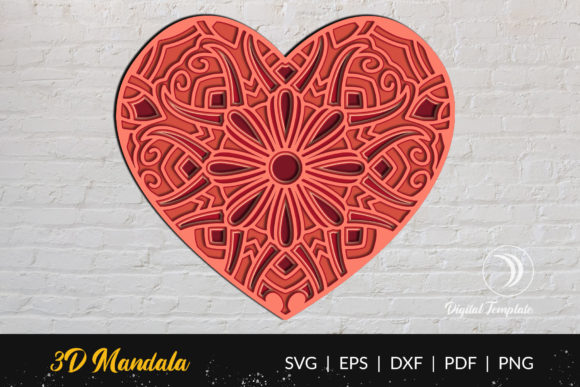
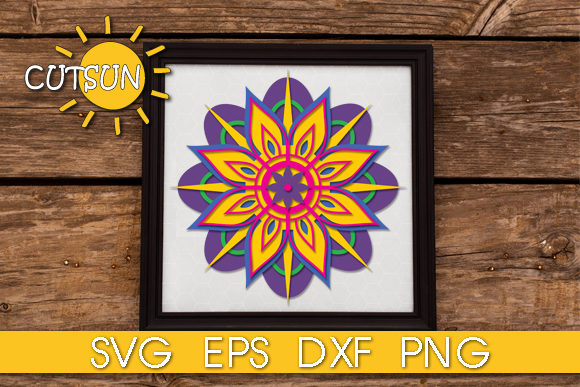
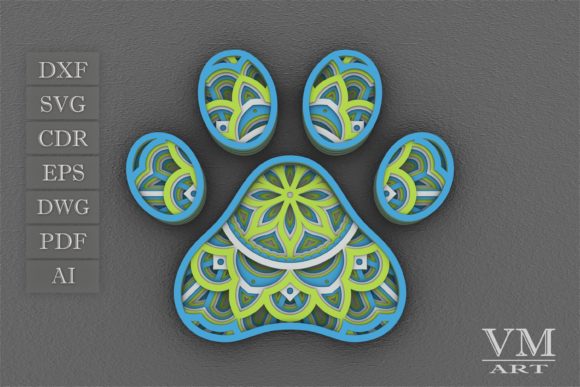
When you explore the realm of mandala layered paper cut 3d shadow box mandala designs, you are not just looking at a decoration; you are engaging with a process that blends precision engineering with soulful expression. Typically, a complete project involves multiple tiers of delicate cuts. For instance, in many premium kits or advanced DIY projects, you will get 6 layered paper cut sheets. These six distinct layers are the building blocks that create the illusion of a three-dimensional universe trapped within a frame.
The Anatomy of Depth: How Layering Creates Illusion
To the uninitiated, a finished shadow box might look like a complex photograph or a digital rendering. However, the secret lies in the physical separation of materials. The core concept is simple yet profound: by stacking sheets of paper with specific gaps between them, light casts shadows from one layer onto the next. This interplay of light and dark is what generates the 3D effect.
Consider the structure of a standard 6-layer mandala. The backmost layer usually serves as the background, often featuring a solid color or a subtle gradient that sets the mood. As you move forward, each subsequent layer reveals more of the design, cutting away negative space to allow the layers behind to peek through. The front-most layer acts as the frame or the primary focal point, defining the outer boundaries of the mandala.
The distance between these layers is critical. If they are too close, the shadows merge, and the image looks flat. If they are too far apart, the connection between the design elements breaks, and the image loses cohesion. Crafters often use foam spacers, folded cardstock, or specialized 3D mounting pads to maintain consistent spacing, usually between 5mm to 10mm depending on the size of the frame. This precise spacing ensures that when light hits the box, every curve and spiral of the mandala casts a soft, defining shadow that enhances the visual texture.
The Spiritual Significance of the Mandala Form
While the technique is rooted in papercraft, the subject matter—the mandala—carries thousands of years of history. Originating from Sanskrit meaning "circle," mandalas represent the universe, wholeness, and the self in Hindu and Buddhist traditions. They are often used as tools for meditation, helping the practitioner focus their attention and establish a sacred space.
When translating this spiritual symbol into a 3d shadow box, the dimensionality adds a new layer of metaphorical meaning. The journey from the back layer to the front can be seen as a journey from the subconscious to the conscious, or from the inner self outward to the world. Creating or observing these layers encourages a state of mindfulness. The repetitive, symmetrical nature of the cuts soothes the mind, while the act of assembling the layers requires patience and presence.
For modern viewers, this fusion of art and spirituality offers a respite from the chaotic, two-dimensional screens that dominate daily life. A physical object that changes as the light in the room shifts reminds us of the fluidity of perspective and the beauty of complexity.
Practical Applications: From Hobby to Home Decor
The appeal of the Mandala layered paper cut 3d shadow box extends beyond spiritual practice into practical interior design and gifting. Because these pieces rely on light and shadow, they interact dynamically with their environment. Placed near a window, natural sunlight creates evolving patterns throughout the day. When lit by an LED strip installed within the frame, they become glowing lanterns that serve as stunning night lights or ambient decor.
For those interested in starting this craft, the market offers various entry points. Beginners often start with pre-cut kits. In these packages, you will get 6 layered paper cut designs already precision-cut using laser technology. This allows the crafter to focus entirely on the assembly and the artistic arrangement without needing advanced cutting skills. It is an excellent way to understand the spatial relationships between layers before attempting to design and cut your own patterns.
Experienced paper artists, however, may choose to design their own mandalas using vector software like Adobe Illustrator or Inkscape. They can then use a digital cutting machine (such as a Cricut or Silhouette) or a scalpel to bring their vision to life. This approach allows for infinite customization in terms of pattern density, layer count, and thematic elements.
Common Misunderstandings and Tips for Success
One common assumption among beginners is that more layers automatically equal a better result. While adding layers does increase depth, it also increases complexity and the risk of visual clutter. A well-executed 6-layer design often looks more elegant than a poorly planned 10-layer one. The key is balance; each layer must contribute something unique to the whole without obscuring the beauty of the others.
Another frequent oversight is the choice of paper. Not all paper is suitable for shadow boxes. Standard printer paper is often too thin and may warp or tear during assembly. Conversely, heavy cardstock might be too thick to allow light to penetrate effectively between layers. The ideal material is usually a high-quality cardstock between 160gsm and 200gsm. This weight provides enough rigidity to hold its shape across the span of the frame while remaining thin enough to create crisp, clean cuts.
Furthermore, the color palette plays a crucial role. While traditional mandalas are vibrant and multicolored, 3D shadow boxes often rely on monochromatic schemes or subtle gradients. Using different shades of the same color family (e.g., varying tones of blue) helps emphasize the depth. If every layer is a starkly different color, the eye may struggle to perceive the 3D form, seeing instead a stack of disjointed images.
The Role of Technology in Modern Papercraft
It is impossible to discuss the resurgence of layered papercraft without acknowledging the role of technology. Laser cutting has revolutionized the industry, allowing for intricate details that would be nearly impossible to achieve by hand. Machines can cut tiny bridges and delicate spirals with micron-level precision, ensuring that the mandala layered paper cut 3d shadow box mandala retains its structural integrity.
Moreover, digital design tools have democratized the creation process. Artists can now simulate the 3D effect on their computer screens before making a single cut. Software allows users to stack virtual layers, adjust spacing, and preview shadow effects, reducing waste and ensuring the final physical product matches the artist's vision. This blend of digital planning and tactile assembly represents the best of both worlds: the efficiency of modern tech and the warmth of handmade art.
Building a Broader Understanding of Creative Mindfulness
Ultimately, engaging with layered paper art is about more than just creating a pretty object. It is an exercise in patience, spatial reasoning, and appreciation for detail. In a fast-paced world where instant gratification is the norm, the slow process of aligning six delicate layers teaches the value of taking time to build something meaningful.
Whether you are purchasing a kit where you will get 6 layered paper cut pieces ready to assemble, or you are designing your own from scratch, the result is a testament to the power of simplicity. By manipulating nothing more than paper, glue, and light, creators can produce works of art that feel alive. These shadow boxes serve as reminders that depth is often hidden beneath the surface, waiting to be revealed by the right perspective and a little bit of light.
As you consider adding a Mandala layered paper cut 3d shadow box to your home or starting your own crafting journey, remember that the true magic lies in the process. Each layer added is a step deeper into a world of creativity, offering a tangible connection to an ancient tradition reimagined for the modern age. Whether used for meditation, decoration, or education, these intricate paper sculptures continue to inspire awe and tranquility in all who view them.