Forging Reality: The 1 Meter Fine Hilt 3D Crafted Sword
In the evolving landscape of digital fabrication, the line between a virtual asset and a physical masterpiece continues to blur. For creators, cosplayers, and prop makers, the 1 Meter Fine Hilt 3D Crafted Sword represents more than just a downloadable file; it is a testament to what modern additive manufacturing can achieve when design meets precision engineering. This isn't merely a toy or a simple placeholder for a costume; it is a substantial, one-meter-long artifact designed to command attention whether held in hand or mounted on a wall.
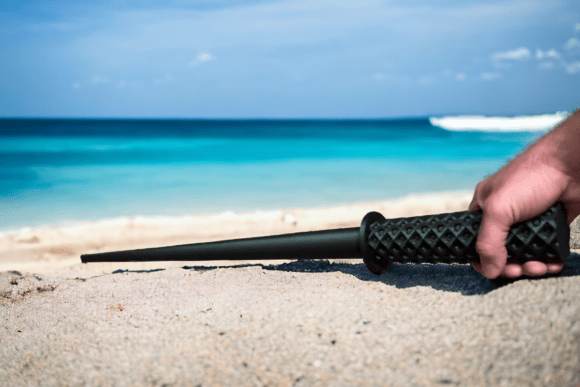
The allure of this specific model lies in its unique fusion of aesthetic sophistication and practical utility. While many 3D-printed weapons suffer from a "plastic" look or feel, this design counters those expectations with a hyper-realistic diamond-lattice texture on the hilt. This geometric intricacy does double duty: it provides a visually stunning focal point that catches light beautifully, and it offers a tactile, non-slip grip essential for handling a prop of this length. The blade itself tapers into a sleek, fine point, mimicking the balance and silhouette of a genuine steel weapon without the associated weight or danger.
The Intersection of Art and Additive Manufacturing
Creating a prop of this scale requires a deep understanding of structural integrity. A standard print might warp or snap under its own weight, but the 1 Meter Fine Hilt 3D Crafted Sword is engineered specifically to maintain rigidity over its full meter-long span. The design philosophy here prioritizes durability without sacrificing the delicate details that make the piece unique.
One of the most remarkable aspects of this model is the optimization of the hilt's geometry. In traditional modeling, sharp geometric edges often require extensive sanding and post-processing to look correct in print. However, this model is sliced and structured to capture those sharp lines directly off the build plate. This means less time spent with sandpaper and fillers, and more time focused on the creative aspects of finishing, such as painting or weathering.
It is important to address the technical nuances mentioned in the documentation regarding slicer software. Users may encounter warnings or errors when loading this file into their preferred slicing program. These alerts should generally be ignored. They are not indications of a flawed model but are rather artifacts of built-in reverse engineering protection designed to preserve the intellectual property of the design. The key to success here is verification: always utilize the layer preview function in your slicer. By visually confirming the toolpath and internal infill structure before hitting print, you ensure that the printer interprets the complex lattice work correctly, resulting in a solid, cohesive final product.
Ideal Applications for Creators and Collectors
The versatility of the 1 Meter Fine Hilt 3D Crafted Sword makes it a valuable asset across several domains. Its primary appeal often lands in the realm of cosplay, where accuracy and comfort are paramount.
- Cosplay Costumes: For fantasy or warrior-themed outfits, weight is a critical factor. Carrying a real metal sword for an entire convention day is exhausting. This 3D-printed alternative offers the visual impact of steel with a fraction of the mass. The ergonomic hilt ensures that even during long photo shoots or stage performances, the prop remains comfortable to wield.
- Display Decor: Beyond costumes, this item serves as an impressive conversational piece. At one meter in length, it commands space. Whether mounted horizontally in a game room, displayed vertically in a home office, or used as a centerpiece in a creative studio, the geometric hilt adds a modern, artistic flair that distinguishes it from generic fantasy props.
- Theatrical Props: Community theater groups and independent filmmakers often struggle with budget constraints regarding weaponry. This printable sword offers a cost-effective solution that can be customized to fit specific period pieces or futuristic settings through paint and modification.
Material Selection and Structural Considerations
To truly realize the potential of the 1 Meter Fine Hilt 3D Crafted Sword, material selection is crucial. While PLA (Polylactic Acid) is the most common filament for hobbyists due to its ease of use, the scale of this project demands high-strength options.
For a sword of this magnitude, PETG is highly recommended. PETG offers superior layer adhesion and impact resistance compared to standard PLA, reducing the risk of the blade snapping if accidentally dropped or bumped during transport. If you have access to more advanced materials, carbon-fiber-infused filaments can add an extra layer of stiffness and a premium matte finish that complements the geometric design of the hilt.
When printing, orientation matters. Printing the sword in multiple sections (hilt, guard, blade) and assembling them later is often safer than attempting a single continuous print, depending on your printer's bed size. However, if your machine allows for a full-length print, ensure your bed adhesion is flawless. The long, thin nature of the blade makes it susceptible to warping if the first few layers do not stick perfectly.
Customization and Finishing Techniques
The true magic of 3D printing lies in the post-processing phase. The clean surfaces of this model provide an ideal canvas for various finishing techniques.
- Metallic Paints: To achieve a realistic steel or silver look, start with a high-quality primer. Follow this with metallic acrylics or airbrush paints. The diamond-lattice texture of the hilt will catch the highlights, creating depth and realism that flat colors cannot achieve.
- Weathered Effects: For a battle-worn aesthetic, consider dry brushing with darker tones to settle into the crevices of the geometric patterns. This accentuates the 3D nature of the print and gives the prop a history.
- LED Integration: For a sci-fi or magical twist, the hollow internal structure often found in these designs allows for the integration of LED strips. Imagine a blade that glows from within, powered by a battery pack hidden in the hilt. The translucent properties of certain filaments can further enhance this effect.
Evaluating Suitability for Your Project
Before committing to a print that may take dozens of hours, it is wise to evaluate if this specific model fits your needs. If you are looking for a lightweight foam-boffer for intense LARP combat, this rigid plastic print may be too hard and potentially unsafe without significant modification. However, for display, light role-play, or photographic purposes, it is unmatched in its detail-to-effort ratio.
Furthermore, consider your printing environment. A 1-meter print requires a stable environment free from drafts, which can cause layer shifting on tall prints. If you are a business owner offering prop services, this model offers a high perceived value. Clients are often willing to pay a premium for items that look intricate and custom-made, and the unique hilt design of this sword delivers exactly that perception.
In conclusion, the 1 Meter Fine Hilt 3D Crafted Sword stands out as a premier example of functional digital art. It bridges the gap between the digital workspace and the physical world, offering a tangible object that embodies precision, style, and durability. Whether you are a seasoned maker looking to expand your portfolio or a fan seeking the perfect centerpiece for your collection, this model provides a robust foundation for creativity. By respecting the technical guidelines, choosing the right materials, and applying thoughtful finishing touches, you can transform a digital file into a legendary artifact.